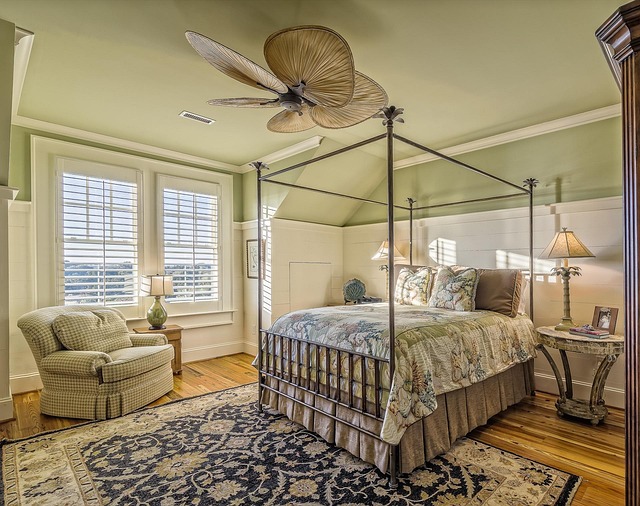
Plan a compact home with clear zones, modular storage, and durable finishes. Learn how to float furniture, choose washable textiles, and style shelves for an uncluttered, welcoming look.
Dive into practical ideas for modern apartment decor, Scandinavian interiors, space-saving furniture, lighting plans, and small room inspiration. Each guide focuses on calm aesthetics and smart function.

Our articles translate minimalist design principles into clear steps you can apply in condos, rental apartments, and family homes. You will find layout diagrams explained in plain language, measurement tips for space-saving furniture, and lighting ideas that consider ceiling height and window orientation. We also cover how to mix materials such as pale woods, matte black accents, boucle, and linen without visual clutter. Each piece is researched for practicality so you can make purchases with confidence and create cohesive rooms on any budget. Start with the topics below and use the checklists to plan your next refresh with fewer mistakes and cleaner results.
Plan a compact home with clear zones, modular storage, and durable finishes. Learn how to float furniture, choose washable textiles, and style shelves for an uncluttered, welcoming look.
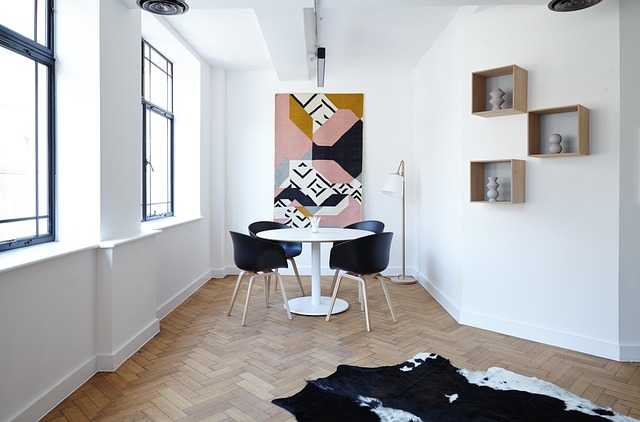
Use pale wood, layered textures, and soft daylight to create calm spaces. Find guidance on tone-on-tone palettes, tactile throws, and lighting that keeps evenings cozy and functional.
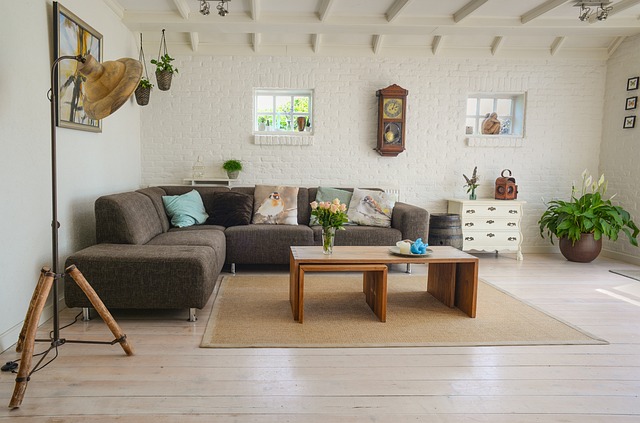
From nesting tables to wall-mounted desks, we explain dimensions, clearances, and placement so pieces fit your floor plan and free up pathways for better flow.

Build a layered scheme using ambient, task, and accent sources. We include lumen targets, color temperature notes, and dimmer tips to balance comfort and clarity.

Create visual calm with restrained colors and tactility. Learn to combine stone, wood, ceramics, and soft textiles so rooms feel cohesive without becoming monotone.
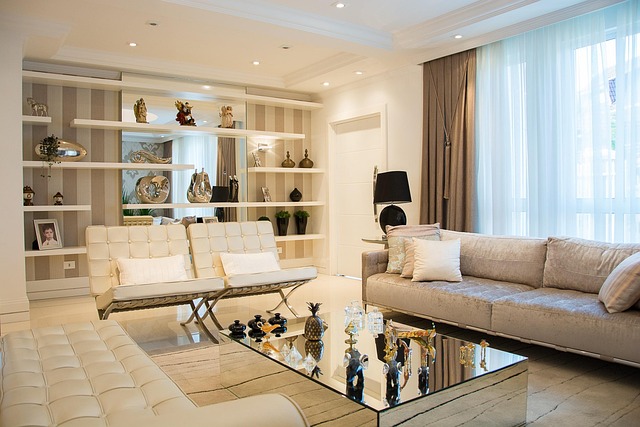
Use vertical storage, leggy furniture, and mirrored panels to open up tight spaces. We show layout options that protect natural light and keep walkways clear.
Start by identifying the main constraint in your room: limited floor area, awkward light, or storage gaps. Choose the article that addresses that issue first, then build outward with complementary ideas. For example, if you are outfitting a studio, read the space-saving furniture guide to select a sofa bed and nesting tables, then layer in lighting to add dimension without clutter. If daylight feels flat, use the lighting ideas piece to set lumen goals and color temperatures before you buy fixtures. When your plan is set, take measurements twice and note door swings, window heights, and outlet locations. Finally, refine with textiles and art from our home aesthetics guidance so the palette stays consistent across rooms. This sequence helps you prioritize function, avoid impulse purchases, and achieve a balanced minimalist result that stands up to everyday life.
Yes. Many solutions focus on non-permanent updates such as plug-in lighting, freestanding storage, peel-and-stick materials, and styling techniques that leave walls intact.
Where relevant, we note typical dimensions, clearances, and mounting heights so you can verify fit before ordering furniture or fixtures for compact rooms.
For living areas, 2700K–3000K keeps evenings comfortable. Kitchens and desks can use 3000K–3500K for clarity. Mix layers and add dimmers to adapt throughout the day.
Combine texture and tone: oak with boucle, linen with matte metal, and a few black accents. Vary sheen levels and add greenery for a subtle lift without visual noise.